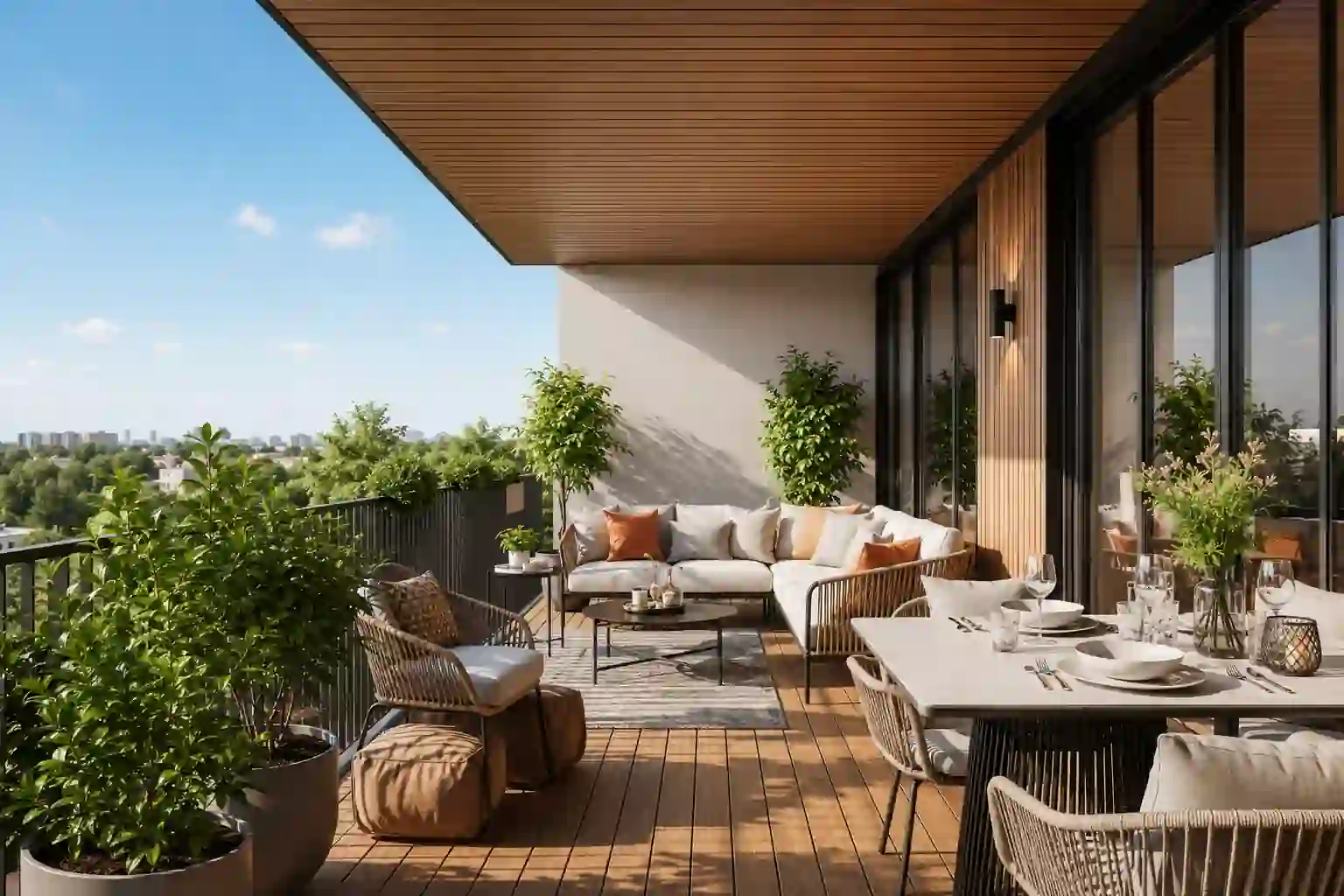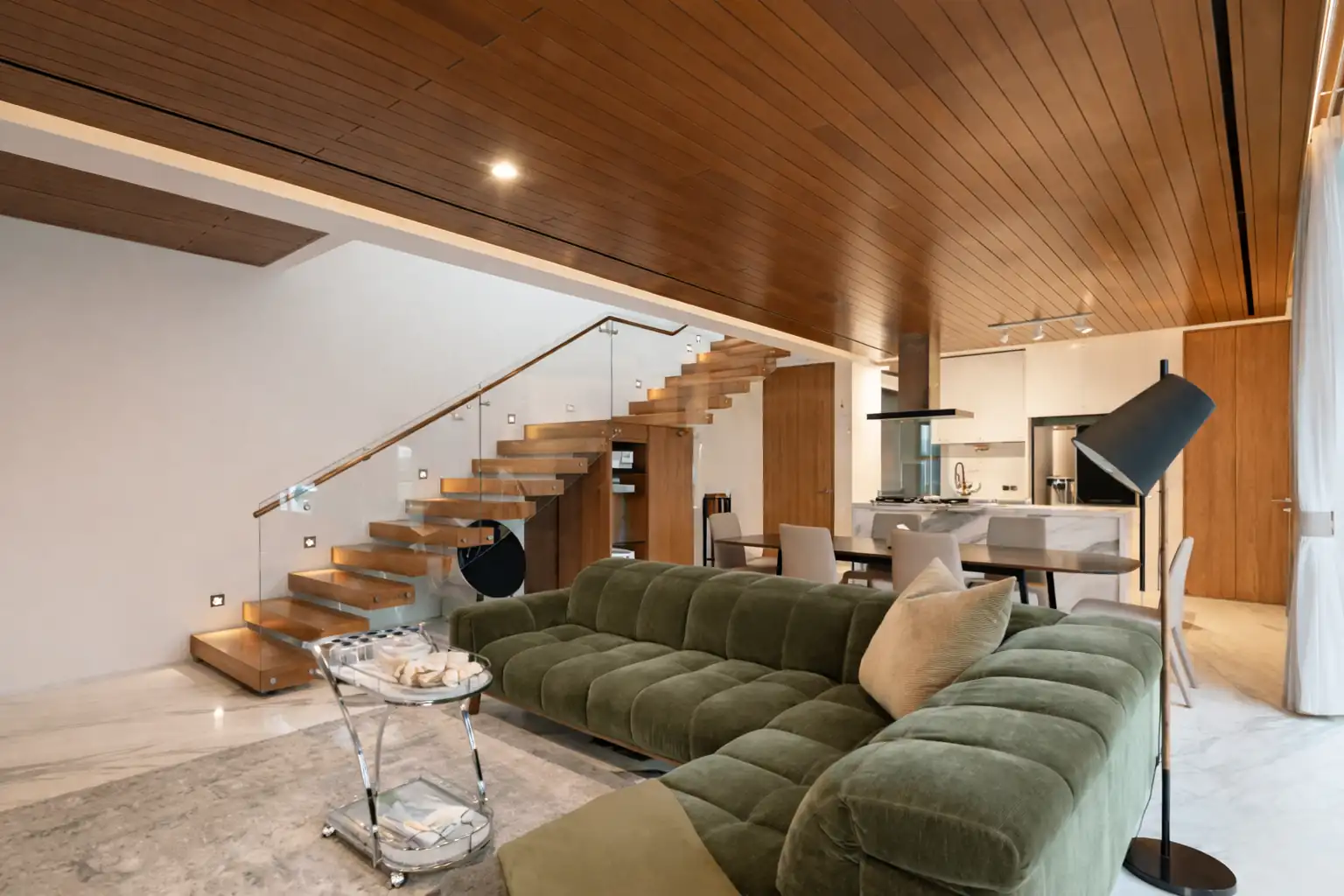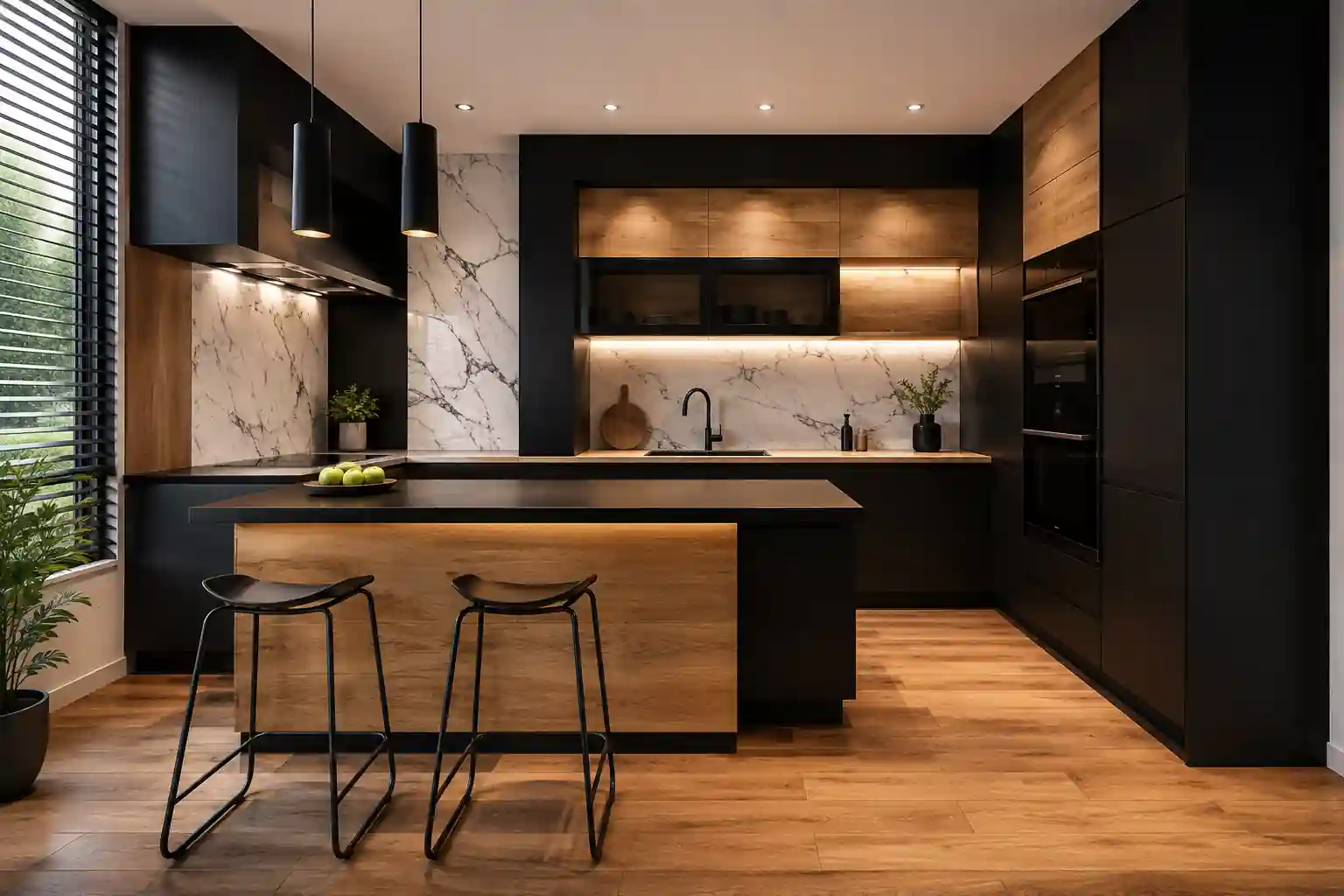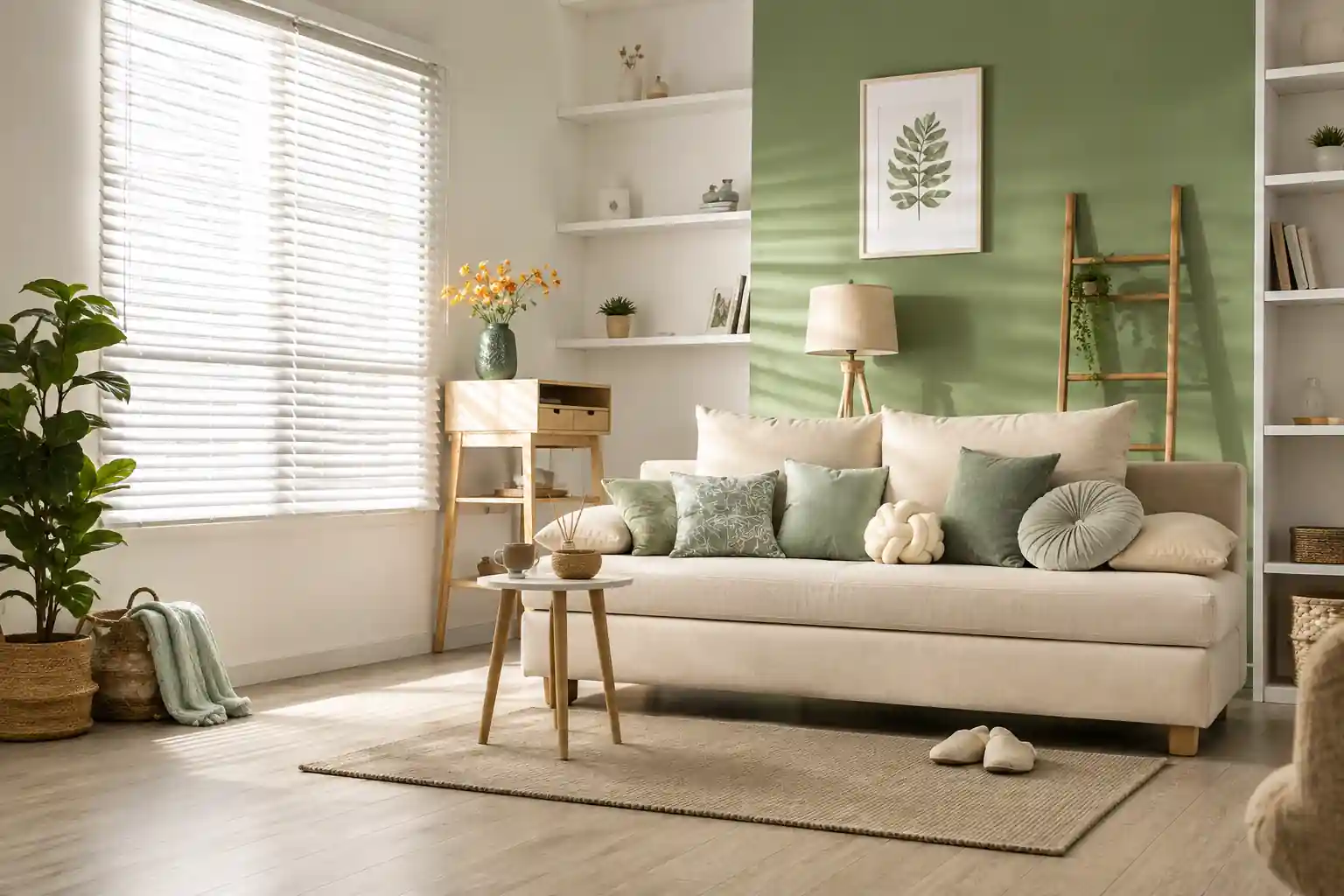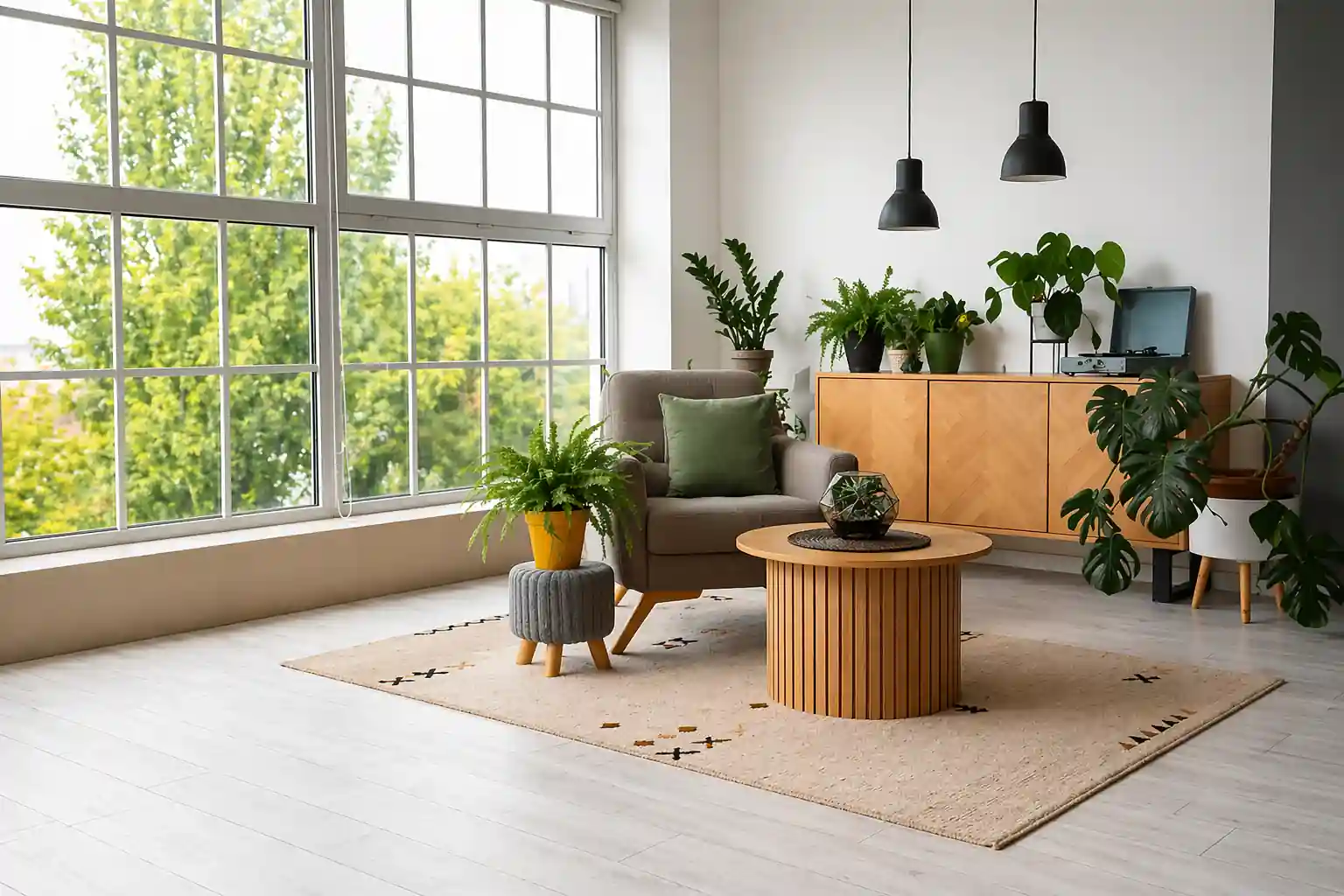
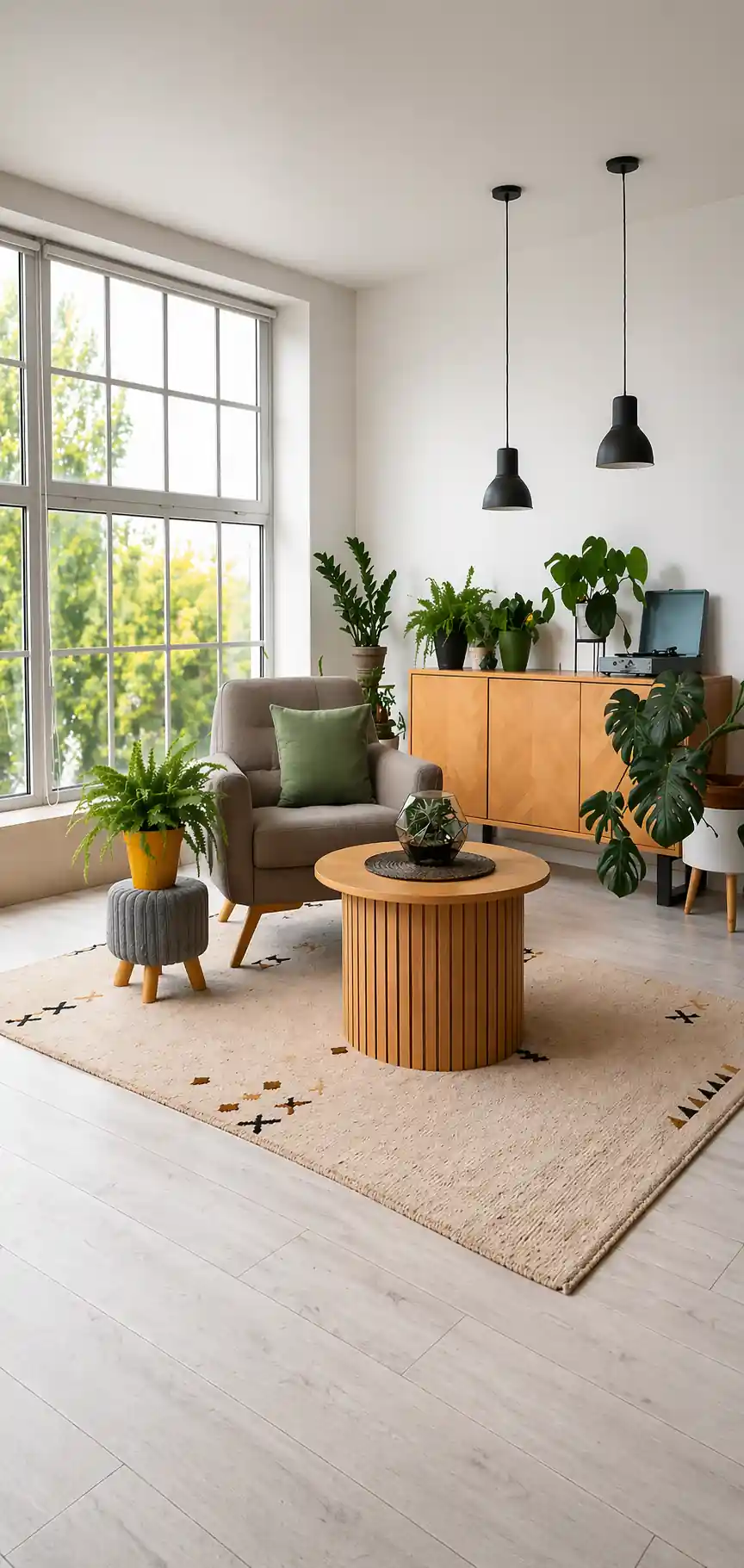



Indoor plants can transform a living room interior by adding warmth, texture, and a sense of liveliness without major renovations. They soften rigid layouts, improve perceived comfort, and subtly enhance air quality. From low-maintenance options like snake plants to statement pieces like fiddle leaf figs, greenery elevates both modern and traditional spaces. Thoughtful placement ensures plants feel like a natural part of the design rather than an afterthought.
Most people overthink their living room interior. A new sofa, new lights, and maybe even a full repaint can all help revitalise your room. But here’s the thing, sometimes the biggest difference is made by the simplest addition: plants.
You bring in one good plant, and suddenly the room feels less stiff and a bit more alive. It looks less like a setup, more like a space someone actually lives in. And if you work them into your living room interior design properly, they don’t look like accessories.
For homes in Bangalore and Mumbai, where stepping out doesn’t always mean fresh air or greenery, this small shift inside the house can change how the space feels every single day.
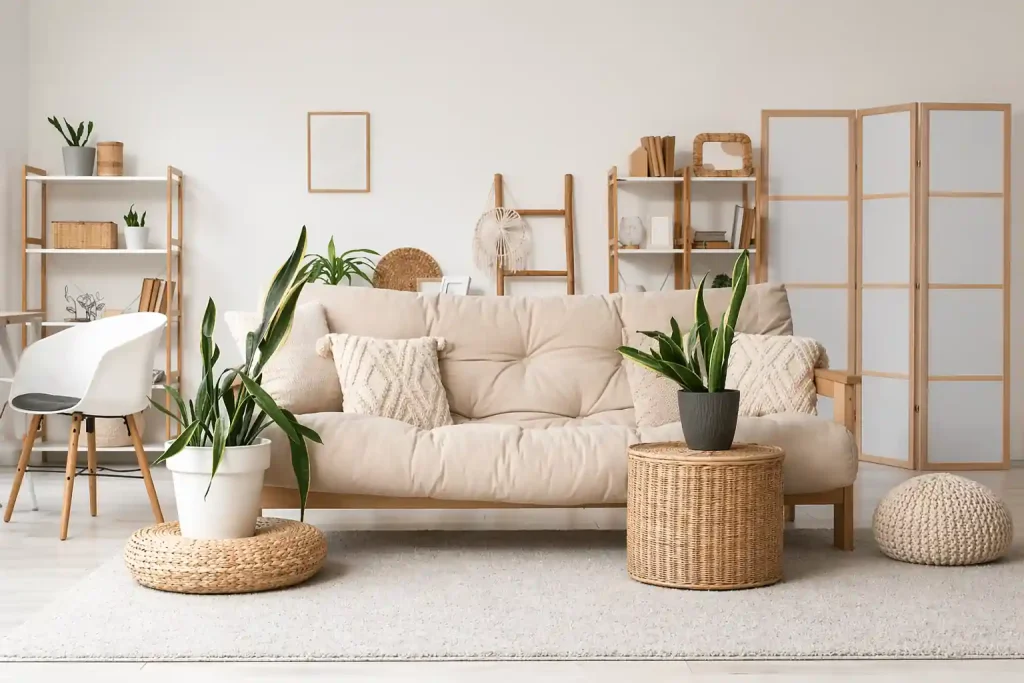
A solid interior isn’t just about how things look. It’s about how the space feels when you sit in it at the end of the day. Plants quietly fix a lot of what’s missing.
They soften hard edges. A Mumbai room full of straight lines and sharp furniture can feel a bit cold. Add a plant, and suddenly there’s movement, something organic breaking that rigidity. It’s subtle, but your eyes notice it.
Plants also add layers without trying hard. In most living room home interior designs, everything sits on one visual plane, such as the sofa, table, and TV unit. Plants change that. They give different heights, spreads, and textures. The space starts to feel fuller, not crowded, just complete.
Besides the aesthetic advantage, plants also have another practical use: improving the air quality in your room. Indoor air in cities isn’t exactly great. Plants help; they cannot completely refresh the air, but they have enough of an impact to matter.
Plus, there’s something about greenery that just calms your brain down. You don’t question it; you just feel it. That’s why they work so well in a home interior design hall. They don’t demand attention, but they improve everything around them.
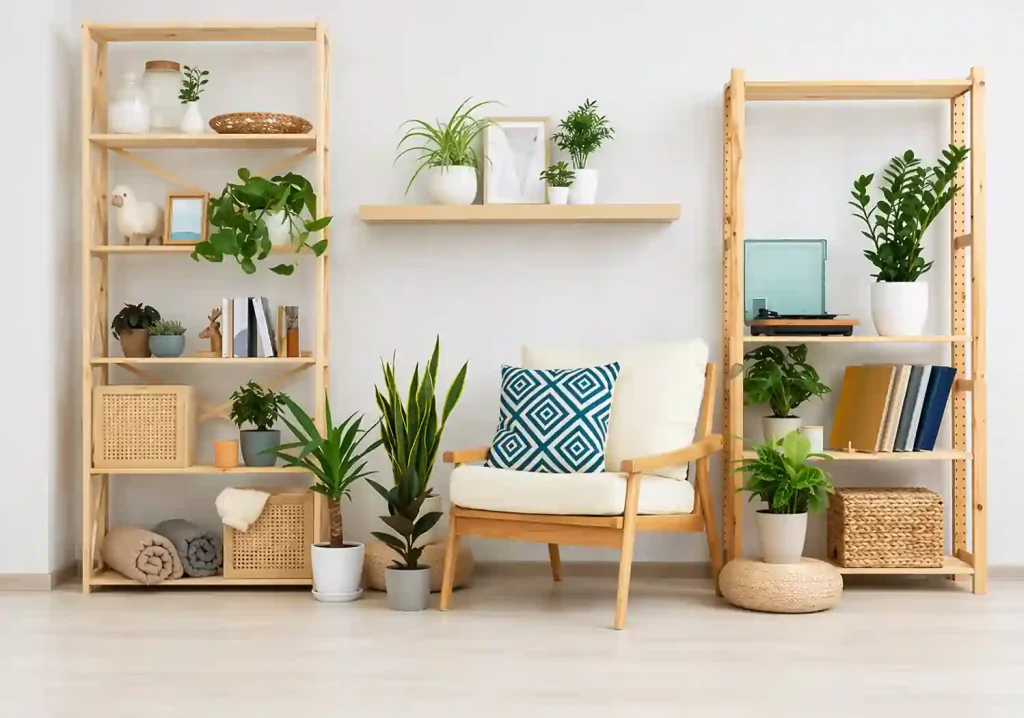
If consistency had a face, it would be this plant. It handles low light, missed watering schedules, and still looks sharp. In a living room, it fits neatly into corners without making a fuss.
This one’s for when your space feels a bit flat. The areca palm adds volume and a softer silhouette. It works especially well in Bangalore’s open layouts, where your living room interior design needs a bit of flow.
It’s clean, simple, and a little elegant. The white blooms stand out just enough. It’s a nice addition if your living room’s interior leans toward subtle, minimal styling.
You’ve seen this everywhere in living room indian decor, and there’s a reason. It grows easily, trails beautifully, and adapts to almost any setup. Shelves, hanging pots, and tabletops, it just works.
This one doesn’t blend in. It stands there and owns its space. If your living room interior design has room for a statement piece, this is it. Big leaves, bold presence.
Low effort, high payoff. It survives in low light, doesn’t need frequent watering, and still looks polished. A safe bet for anyone who doesn’t want plant care to turn into a hobby.
This is where things can either look intentional or completely random.
It’s less about adding more and more about placing things where they make sense.
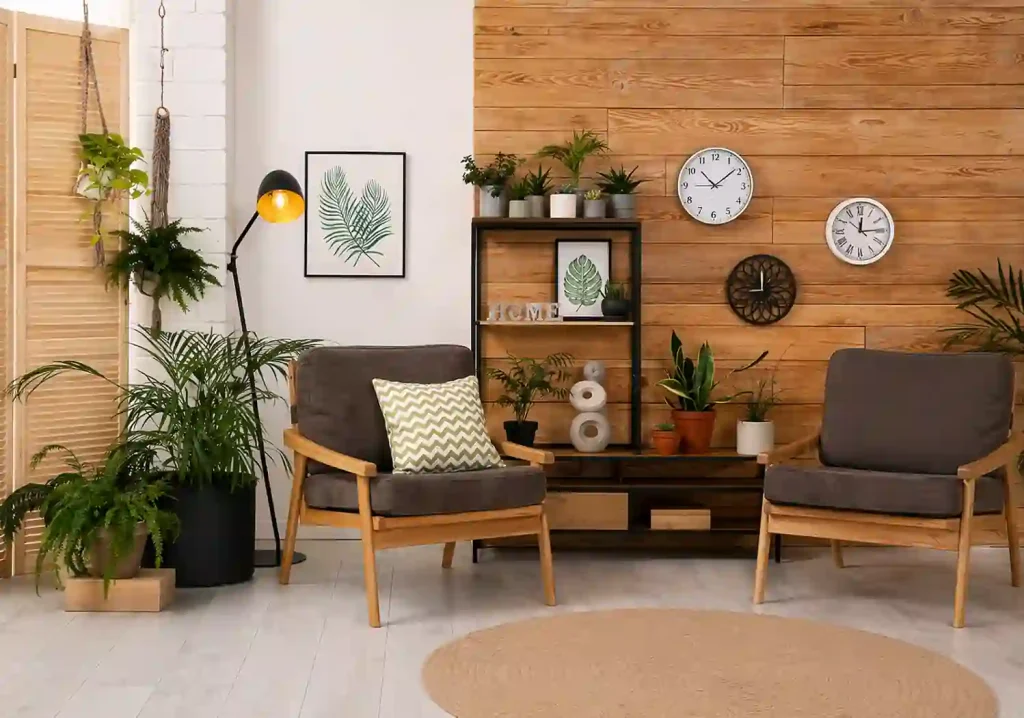
Indian homes already have a lot going on in a good way. Textures, colours, materials, sometimes even a mix of traditional and modern in the same space. Plants fit into this naturally if you don’t force them.
In an Indian living room decor setup, greenery pairs well with wood and earthy tones. Think carved furniture, warm lighting, maybe a brass accent here and there. A simple plant beside that setup can make it feel even richer.
If your style leans more modern, which is common in Bangalore homes, keep it controlled. Fewer plants, but stronger shapes. Snake plants, fiddle leaf figs, and things that add structure to your living room interior design without clutter.
Mumbai homes often face space constraints, so the approach shifts a bit. You look up instead of out. Interior designers in Mumbai use hanging plants, wall planters, and compact arrangements to smartly enhance your home’s hall interior design without wasting precious space.
There’s no one formula here. The idea is to let the plants feel like part of the space, not something you added at the last minute.
Here’s where most people get stuck; they like the idea of plants. They even buy a few but don’t fully understand how to integrate greenery with their existing decor. A well-planned living room considers everything together. Furniture placement, lighting, colours, and yes, even where your plants go. That’s where Bonito Designs comes in.
They don’t just suggest adding greenery. They look at your entire living room interior design and figure out how plants can actually enhance it. Which corners need height, which shelves need softness, and where natural light can support real plants instead of artificial ones.
They bring in practical, easy-to-maintain choices, so that layouts don’t feel cramped or forced. Bonito Designs truly believes that homes should be designed for real living, not just for photos. So instead of guessing, you get a living room home interior design that feels intentional from the start. Book a consultation today!
Plants like ZZ plants, snake plants, and pothos thrive in low-light conditions, making them ideal for apartments or rooms with limited natural sunlight.
Most indoor plants only need watering once every 1–2 weeks, depending on humidity, pot size, and plant type. Overwatering is a more common issue than underwatering.
Yes, studies show that exposure to greenery indoors can lower stress levels, improve focus, and create a calming environment.
Pots with drainage holes are essential to prevent root rot. Materials like terracotta allow better airflow, while ceramic pots retain moisture longer.
Artificial plants can work in spaces with no natural light or for low-maintenance needs, but they don’t offer the air quality or psychological benefits of real plants. Real plants passively absorb excess carbon dioxide in your room, which cools the space and improves overall air quality.